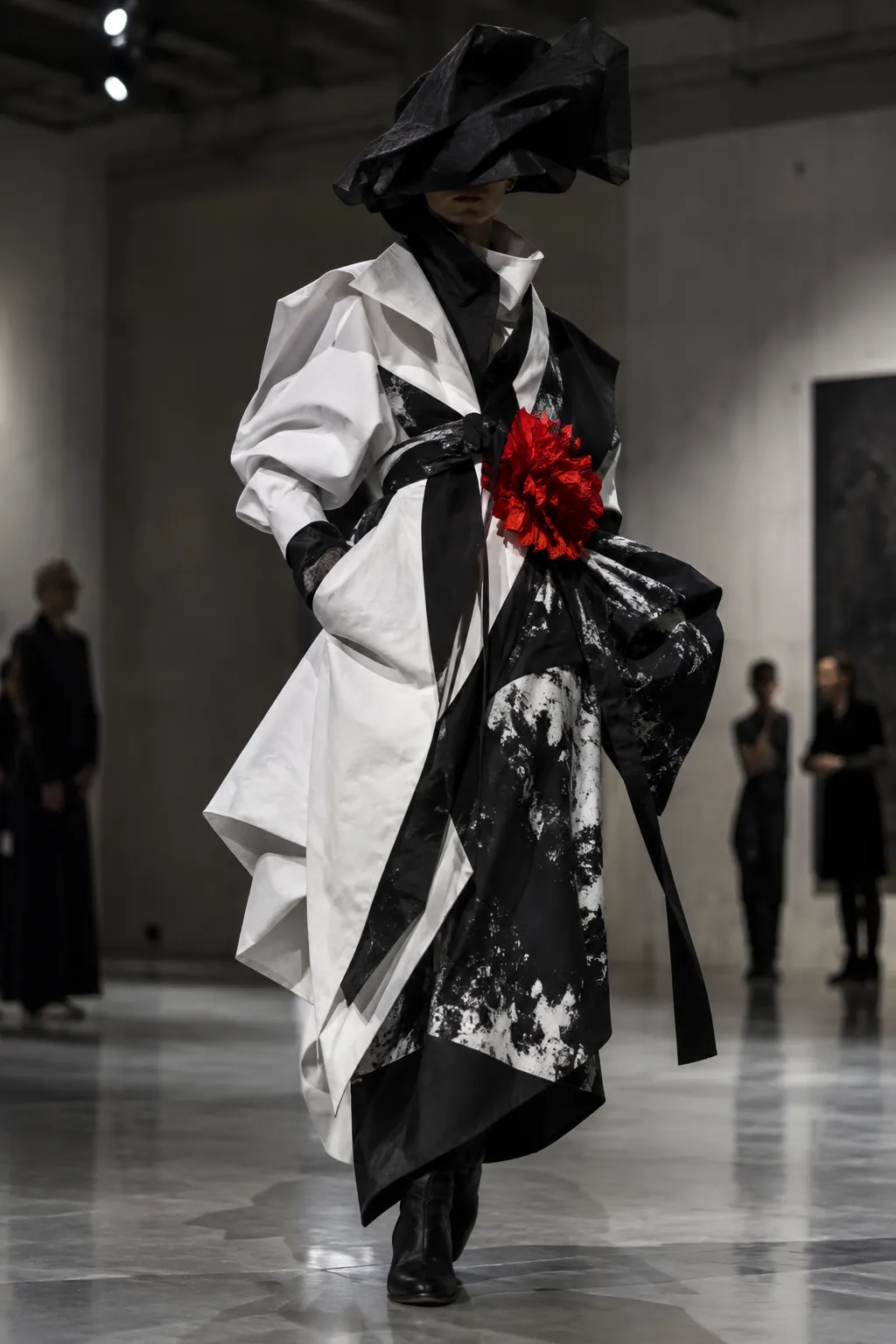
Paris Fashion Week has a reliable cast of headliners, and the heritage giants like Dior and Chanel usually get top billing. This season, per Vanity Fair, the plot twist came from the margins. The outlet reports that the most talked-about shows, and some of the best fashion, came from fringe designers: Matières Fécales, Vaquera, August Barron and Rick Owens.
Vanity Fair's framing is blunt: Paris Fashion Week now belongs to the freaks. Affectionately, of course.
What the Buzz Looked Like
According to Vanity Fair, these are brands that put boldness, authenticity and emotional resonance ahead of commercial polish. That's a different currency from the one big luxury houses usually trade in, which tends to be glossy spectacle and a front row packed with famous faces.
The four names Vanity Fair highlights are not interchangeable, and I'm not going to pretend to describe collections beyond what the outlet reports. What they share, per the piece, is a refusal to sand down their edges.
Why Weird Is Winning
Here's my take, and it's visibly mine: this feels like a reaction to sameness. Vanity Fair points to the way AI and mass replication are commodifying fashion. When anything can be copied, tweaked and pushed out at scale, the thing that stands out is the thing that feels unmistakably made by a person with a point of view.
In that light, "weird" stops being a niche taste and starts looking like a form of proof. A strange, specific vision is hard to fake. A sanitized spectacle is easy to forget.
The timing suggests a recalibration in what drives industry conversation. If the shows people are talking about aren't the ones from the biggest names, that says something about where audiences are putting their attention, and possibly their loyalty.
Authenticity as the New Luxury
Fashion has long sold exclusivity. What the Vanity Fair piece suggests is that the scarcest thing right now might be sincerity. Emotional truth, a designer's real obsessions, a show that feels like it couldn't have come from anyone else: that's the flex.
It's hard not to wonder whether this changes what "status" means. A famous face in the front row is a signal anyone can buy. A genuine creative identity is much harder to purchase.
The Rick Owens Blueprint
Of the names in Vanity Fair's headline, Rick Owens is the one with the longest track record of staying distinctly himself. As a fan-literate observation, he's the proof of concept for the whole movement: you can keep your aesthetic uncompromising and still end up widely admired. His inclusion alongside newer fringe names makes the trend read less like a fluke and more like a lineage.
The Paradox of Going Viral While Staying Underground
Here's the fun contradiction. Labels built on anti-establishment energy, Matières Fécales included, are now the ones everyone is discussing. Being the talk of Paris Fashion Week is about as establishment as buzz gets.
Can a brand stay subversive once the whole industry is chattering about it? That's a question for the designers, and Vanity Fair's reporting doesn't answer it. But it's the right one to watch as these labels grow.
What to Take From It
If you follow fashion casually, the practical takeaway is simple: the most interesting clothes may not be on the biggest runways. When you scroll through Paris Fashion Week coverage this month, look past the familiar logos and check the schedule's edges.
The giants will still have their moments. But this season, the room seems to have been listening for something with a pulse, and the freaks, as Vanity Fair calls them, brought one.