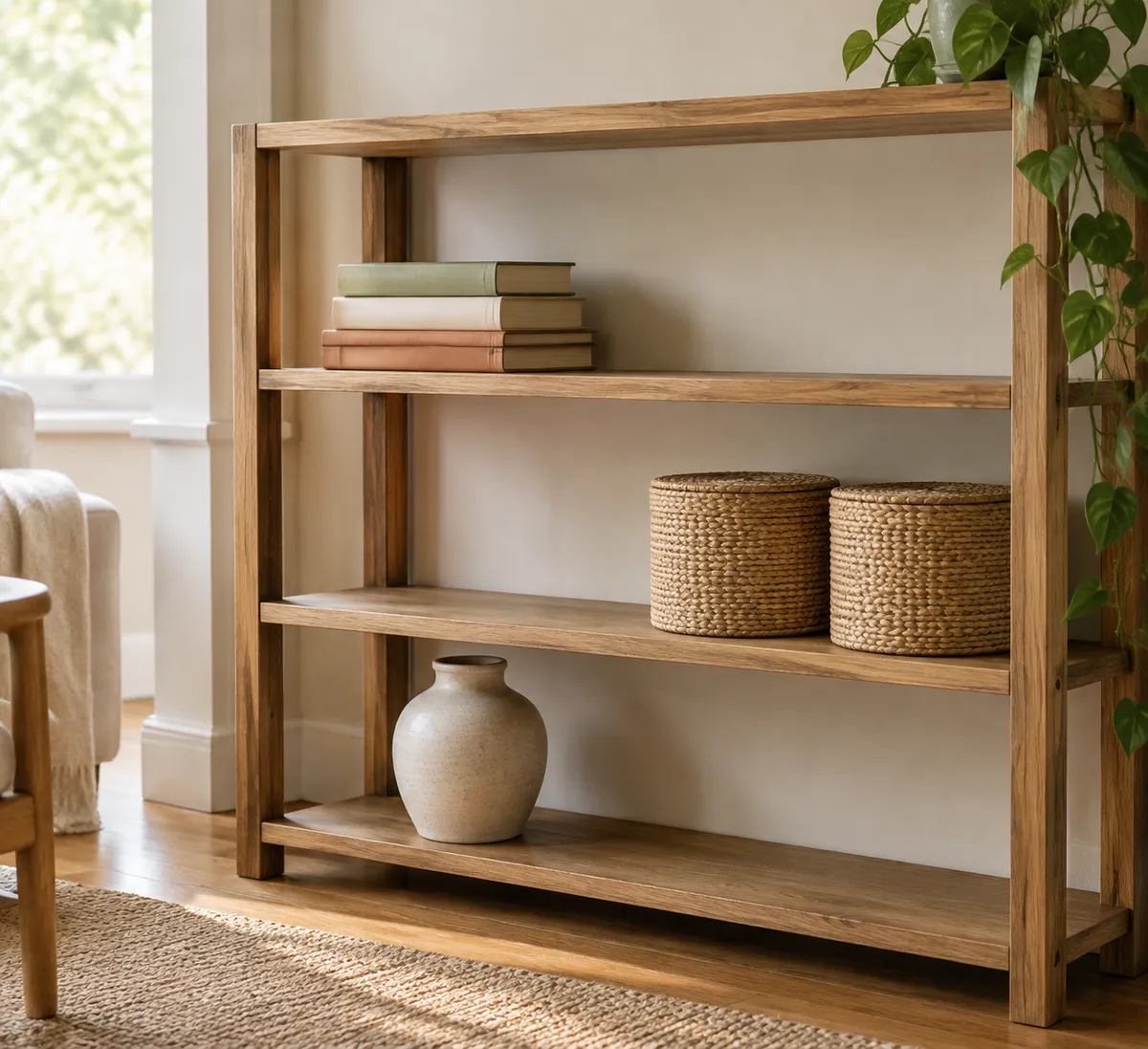
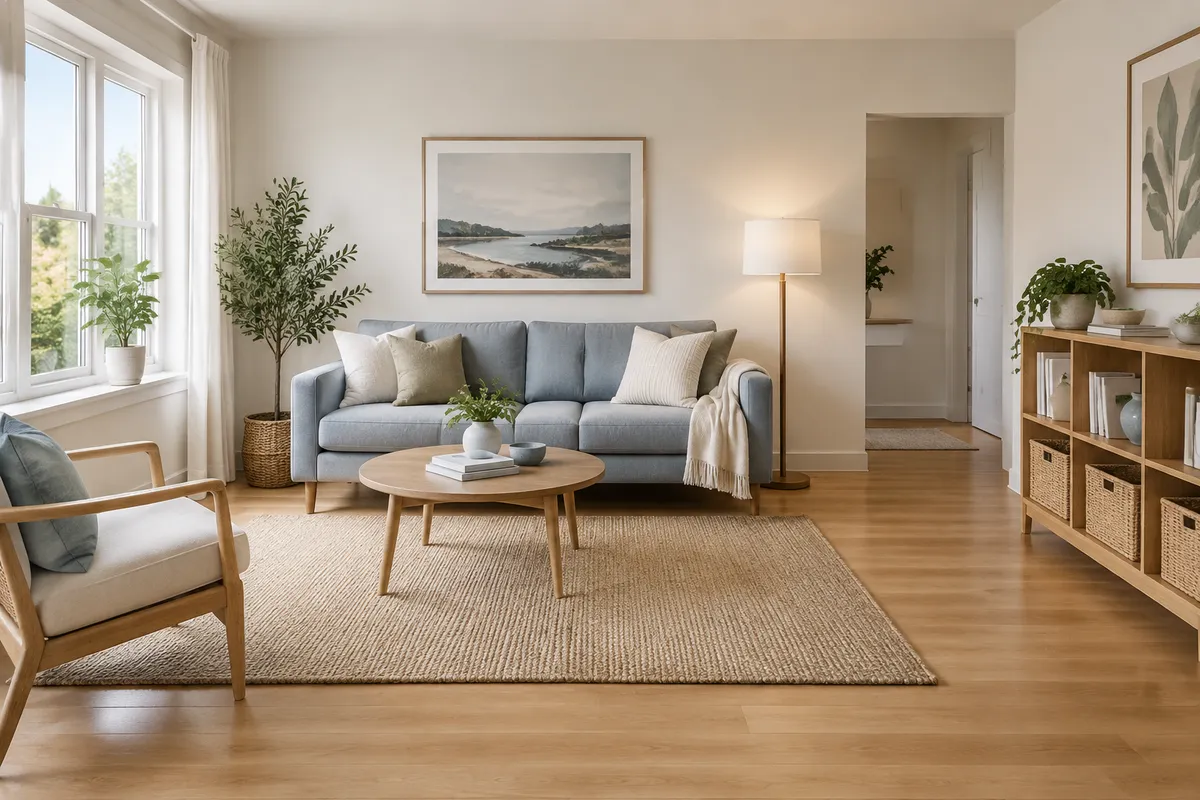
A small living room does not have to feel like a cramped one. That is the message of a recent piece from The Spruce, which lays out seven easy-to-implement tips for making a smaller living room look larger. The pitch is refreshingly modest: no renovation, no knocking down walls, just simple design tweaks that help a room feel more open, airy, and functional.
One caveat before we go further. The Spruce's full list of seven isn't something I can reproduce here, so I won't pretend to walk you through each item. What the outlet's framing does give us is a clear philosophy, and that is worth unpacking on its own.
Why This Idea Keeps Coming Back
Small-space design stays relevant for an obvious reason: more people are living in apartments, condos, and compact homes. If that describes your place, you've probably felt the pressure to make a modest room do the work of a much bigger one.
The appeal of The Spruce's approach is that it targets people who want affordable, low-effort changes rather than a full overhaul. That's good news for renters, who can't exactly move a load-bearing wall, and for homeowners who would rather spend a weekend than a season on a project.
The Angle: Think Like a Set Designer
Here is my take, and it's clearly my own spin rather than The Spruce's claim: the smartest way to read a "make it look bigger" list is to think like a TV set designer. Sitcom living rooms are famously compact, yet they read as warm, roomy, and easy to move through on screen. That is a trick of staging, not square footage.
The Spruce's wording points the same direction. The goal it describes is a room that feels open, airy, and functional. Notice that none of those words are "big." The target is how the room feels and works, not how many feet it measures.
Open
A room feels open when your eye can travel without hitting obstacles. That is a general design principle rather than a quote from The Spruce, but it's a useful lens: as you look at your own space, ask where your eye gets stopped first.
Airy
Airy is about breathing room. It's hard not to wonder how many small living rooms feel cramped simply because every surface and corner has been given a job. Leaving some of the room unclaimed is a design choice too.
Functional
This one is easy to overlook. A space can look spacious in a photo and still be miserable to live in. The Spruce's emphasis on function is a reminder that a small room has to earn its keep: seating, storage, and walking paths all matter.
A Weekend Test Run
The appeal of this kind of advice is that you can try it fast. Here's a low-stakes way to approach it, framed as my suggestion rather than a claim from the original article:
- Take a photo of your room first. A picture shows clutter and awkward spots your daily eyes have learned to ignore.
- Change one thing at a time. Small tweaks are easier to judge when you can see what each one did.
- Photograph it again. The before-and-after comparison is the satisfying part, and it tells you which changes were worth keeping.
- Live in it for a few days. If it looks great but you keep bumping into things, function has lost the argument.
Common Small-Room Traps
The most useful way to think about a cramped room is to ask what is making it feel that way. In general terms, rooms tend to feel tight when furniture crowds the walking paths, when too much sits out in the open, or when the layout fights the way you actually use the space. These are broad design observations, not items pulled from The Spruce's list, so treat them as prompts for your own audit rather than rules.
The Takeaway
The most encouraging thing about The Spruce's premise is how unglamorous it is. Seven easy changes. No gut job. A small living room, the outlet suggests, is a design puzzle rather than a verdict.
So before you start browsing for a bigger apartment, try treating your current room the way a set designer treats a tiny soundstage: it only has to look and work great from where you're sitting. For the complete list of all seven tips, head to The Spruce's original article. Your weekend, and your coffee table, may thank you.