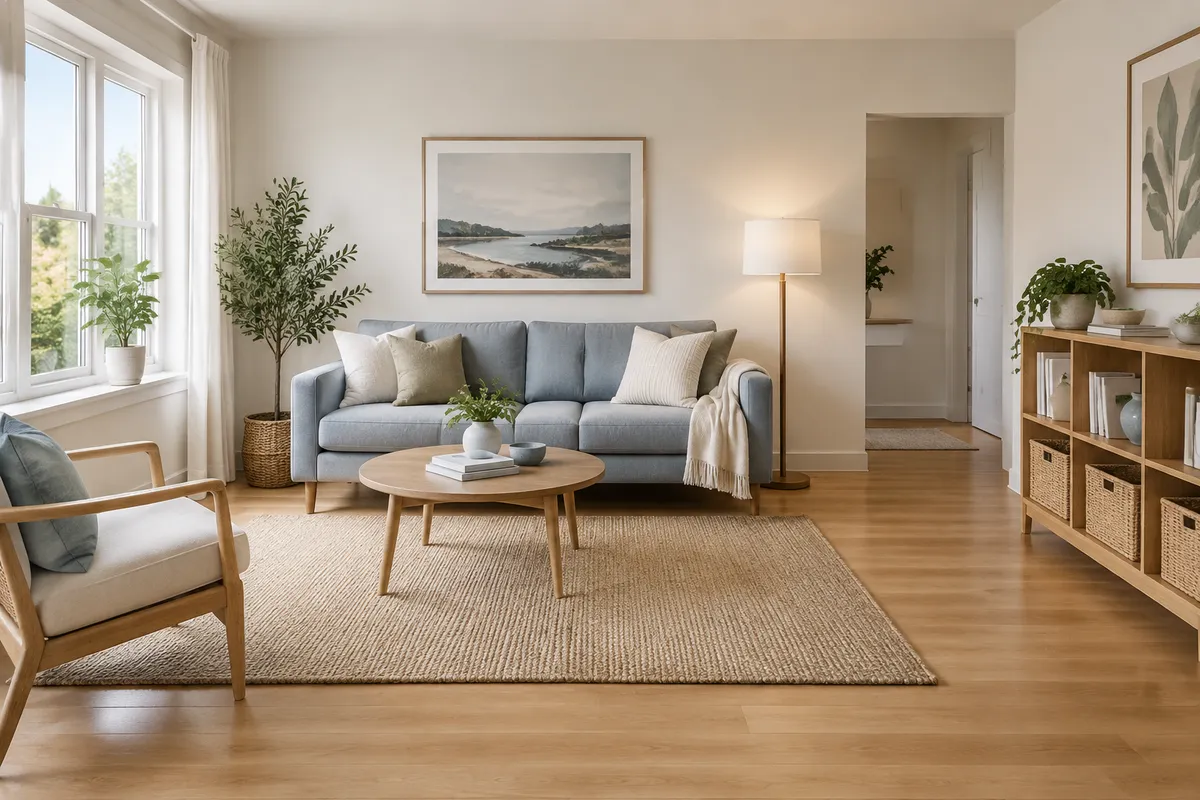
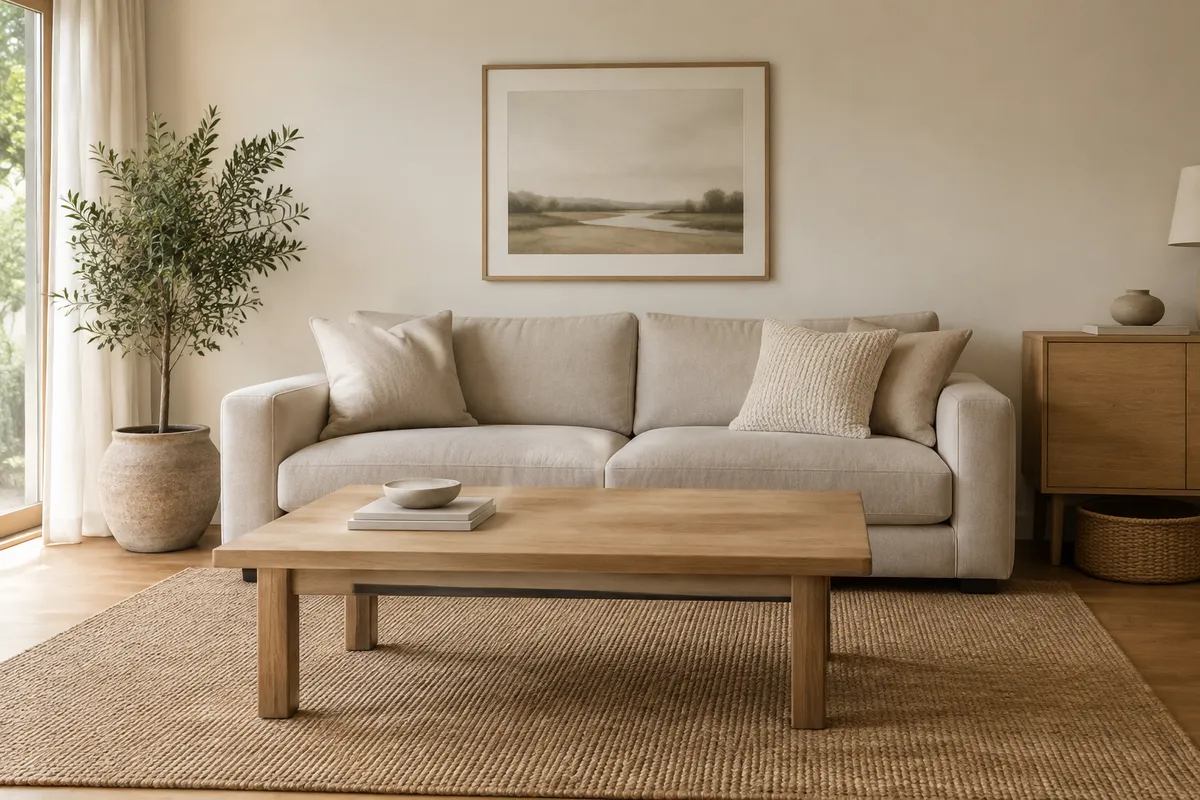
Minimalists, according to a recent piece from The Spruce, tend to keep five things out of the living room: messy cords, toys, mail, open shelf clutter, and too much decor. The core argument is simple. Removing visual clutter makes a room feel more intentional and relaxing.
That's a handy idea if you want a calmer space without a big budget. Nothing on this list requires a renovation or a shopping spree. Mostly, it asks you to look at your living room the way a guest would.
Here's the list, with some practical thoughts on each.
1. Messy Cords
Cords top The Spruce's list, and it's easy to see why. They're everywhere in a living room: TV, lamps, chargers, speakers. Tangled, they become a constant low-grade visual buzz.
The takeaway is that the gadgets can stay, but the mess shouldn't. Gathering cords and tucking them out of sight is one of the quickest ways to make a room look tidier. It's hard not to wonder how many of us have stopped noticing a snarl behind the TV stand until someone points it out.
2. Toys
This one comes with an honest caveat: if you live with kids, toys are part of life. The point isn't to banish them forever. It's that the living room reads as calmer when toys aren't scattered across it.
A practical way to apply this (my take, not The Spruce's): give toys a home that closes. A lidded basket or a cabinet makes cleanup fast, and it keeps the room functional rather than sterile, which is the balance good minimalism needs.
3. Mail
Mail is a sneaky offender. It arrives daily, it lands on the nearest flat surface, and it quietly turns a coffee table or console into a paperwork pile.
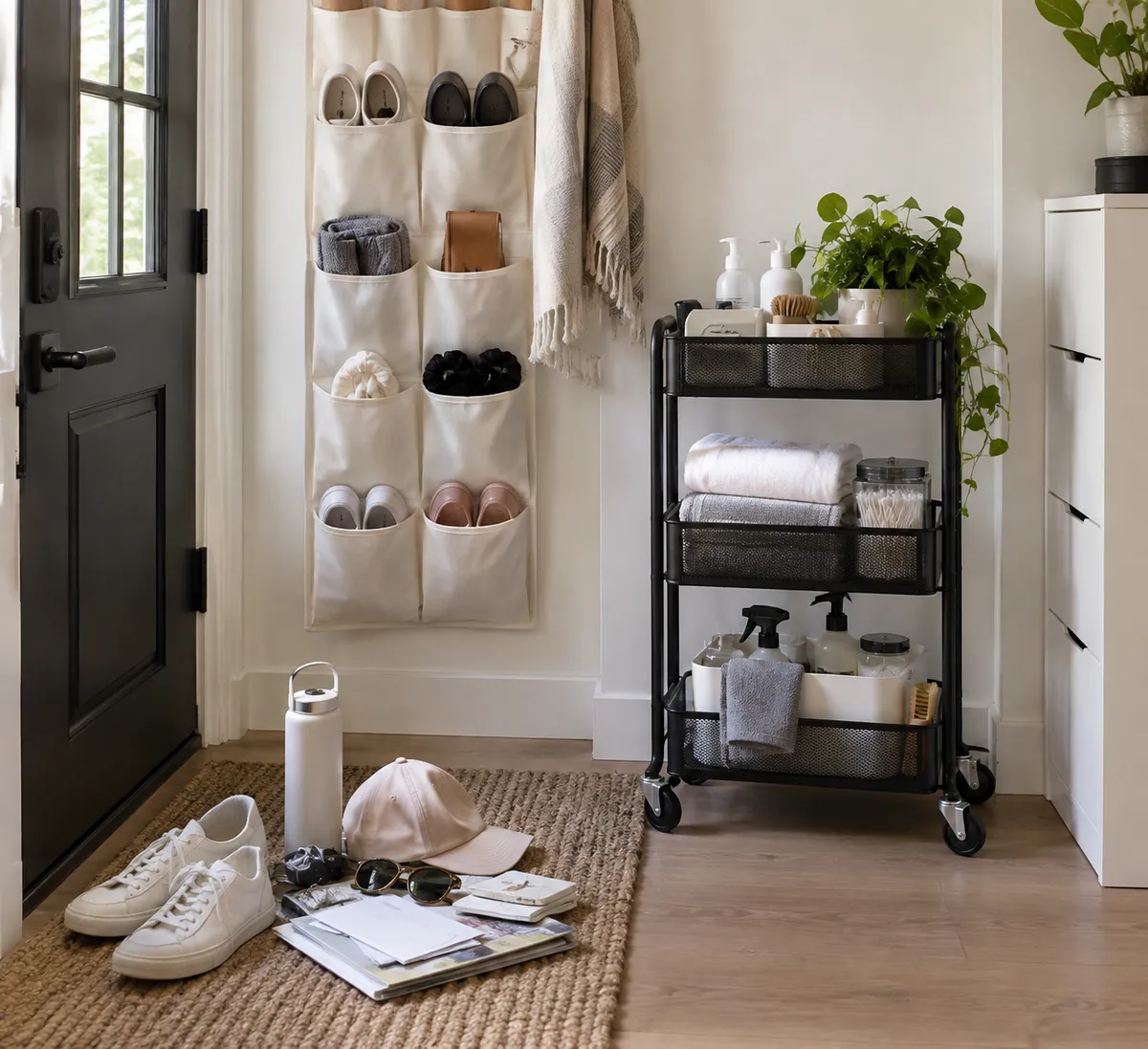
The minimalist move, per The Spruce's list, is to keep mail out of the living room entirely. A sensible reading of that: pick a single spot elsewhere, like an entryway or desk, where it gets sorted. The living room is for resting, not for being reminded of a to-do list.
4. Open Shelf Clutter
Open shelves are a double-edged sword. They look great in photos, but everything on them is on display, all the time.
The Spruce flags open shelf clutter as something minimalists avoid. The lesson isn't to leave shelves bare. It's to be choosy about what earns a spot. Fewer items, with some breathing room around them, tends to look deliberate instead of crowded. That's my interpretation, but it fits the article's emphasis on intentional spaces.
5. Too Much Decor
The last item is the one that stings a little for anyone with a thing for throw pillows and tiny figurines. Even lovely decor can add up to visual noise when there's too much of it.
The key word in The Spruce's framing is "too." This isn't an anti-decor manifesto. It's a nudge toward editing. A few pieces you truly like will usually do more for a room than a crowded collection competing for attention.
Why This Trend Keeps Sticking Around
Minimalist design remains a strong lifestyle and decor trend as people optimize their homes for rest, focus, and mental clarity. Small decluttering moves are especially appealing right now because they're low-cost ways to reduce stress at home.
That's the real draw. You don't need new furniture. You need a laundry basket, a few cord clips, and maybe ten minutes.
A Quick Living Room Reset
Want to try it this weekend? Here's a simple order of operations, built from the five items above:
- Start with cords: gather and tuck them away.
- Clear the mail: move it to its designated spot.
- Corral the toys: put them in closed storage.
- Edit the shelves: keep only what you love.
- Trim the decor: pull a few pieces and see if you miss them.
Take a photo before and after. The difference is often more dramatic than you'd expect, and it's oddly satisfying to see.
The Takeaway
The smartest thing about this list is that none of it is about owning less for its own sake. It's about deciding what deserves your attention. A calm living room isn't an empty one. It's one where everything left in it is there on purpose.