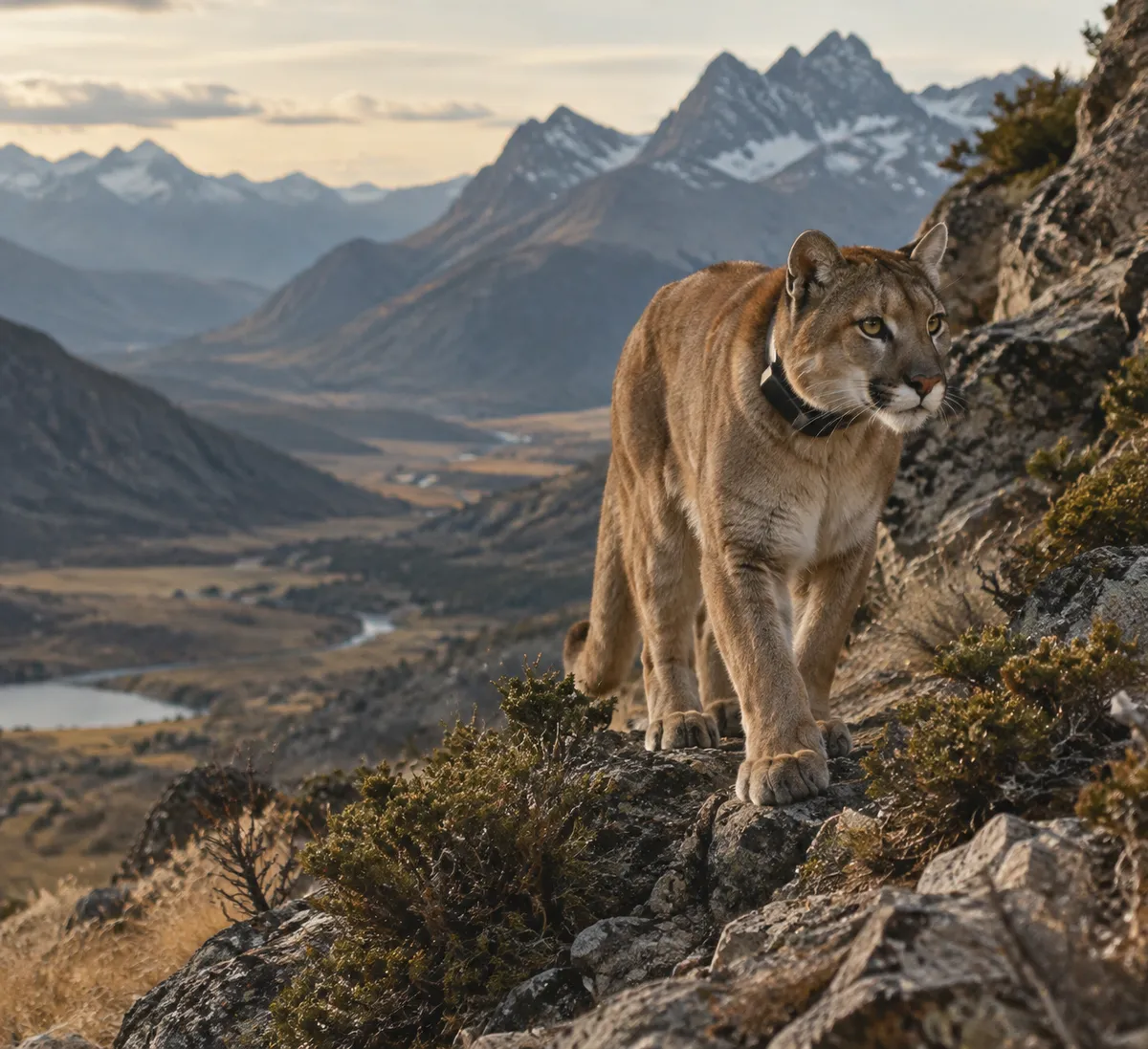
A fragrance named Sauvage, French for "wild," has found something genuinely wild to back. Dior Sauvage has partnered with the World Wildlife Fund to help protect wild pumas in Chile and across the Americas, per Elle, which got a look at the effort during a trip to Patagonia that included a chance to glimpse the big cats.
The commitment runs three years. Here's what it covers, and why the structure matters more than the logo placement.
What the partnership actually includes
According to the Elle report, the three-year commitment has three main parts:
- Habitat connectivity projects, aimed at keeping puma territory linked rather than chopped into isolated pockets.
- Education initiatives designed to reduce conflict between people and wildlife.
- Advanced tracking technology to monitor puma populations.
It's a practical list, and that's the point. Pumas are listed as near-threatened in Chile, which is what makes the work time-sensitive.
The angle: a campaign with a timeline
Luxury brands are increasingly expected to back up sustainability claims with real action rather than surface-level partnerships. That's the context Elle's coverage places this in, and it's the lens that makes this story worth a look.
We can't audit anyone's bank statements from here, so take this as our read rather than a verdict: a defined three-year window with specific activities is easier to judge than a vague promise to "support nature." Tracking tech, habitat links and education programs are things you can check on later. It's hard not to appreciate a commitment that invites follow-up questions.
Why pumas, and why they matter
The pairing also makes narrative sense. A fragrance built on an untamed identity meets an elusive big cat that most people, even in puma country, rarely see. It's the sort of brand-to-subject match that could easily feel forced, but here the fit is surprisingly natural.
There's an ecological argument too. Pumas are apex predators, and conservationists often point to the "umbrella species" idea: protect a wide-ranging top predator and its habitat, and you safeguard many other species that share that land. That's a general conservation concept rather than a claim from the Elle piece, but it explains why a cat can anchor a much bigger environmental effort.
The unglamorous part: people and pumas
The most interesting piece of the partnership may be the least glamorous. Education aimed at reducing human-wildlife conflict is about helping people and big cats share space. Practical tools in this area include things like specially trained guard dogs and stronger fencing to protect livestock, and rancher education is part of the broader picture of this kind of work.
That's the everyday lesson buried in a luxury story. Protecting wildlife often isn't about dramatic rescues. It's about fences, dogs, shared information and giving the people who live alongside predators a reason to want them around.
Why it's worth watching
Perfume partnerships tend to stay on the shelf. This one is headed to Patagonia, with collars, corridors and community outreach on the to-do list. Whether it delivers will show up in the long game: puma numbers, connected habitat and fewer conflicts.
For shoppers, the takeaway is simple. The next time a bottle of Sauvage turns up on a gift list, there's a three-year puma project somewhere behind the brand's name. And if the work holds up, the wildest thing about Sauvage may end up being the cat it helped keep around.