A researcher has turned the tower defense game Bloons TD into a math lesson, and the math won. According to Phys, the researcher modeled the game as a knapsack problem, a classic optimization puzzle, and used it to develop strategies that beat the game and, in some cases, outperformed human players.
The point wasn't to ruin anyone's weekend. It was to show that abstract math applies to very concrete decisions, using a game most people already understand.
Wait, what's a knapsack problem?
Picture packing a bag with a limit on what it can hold. You have a pile of items, each with a value and a cost (weight, space, money), and you want the most value without overstuffing the bag. That's the knapsack problem, a staple of mathematical optimization.
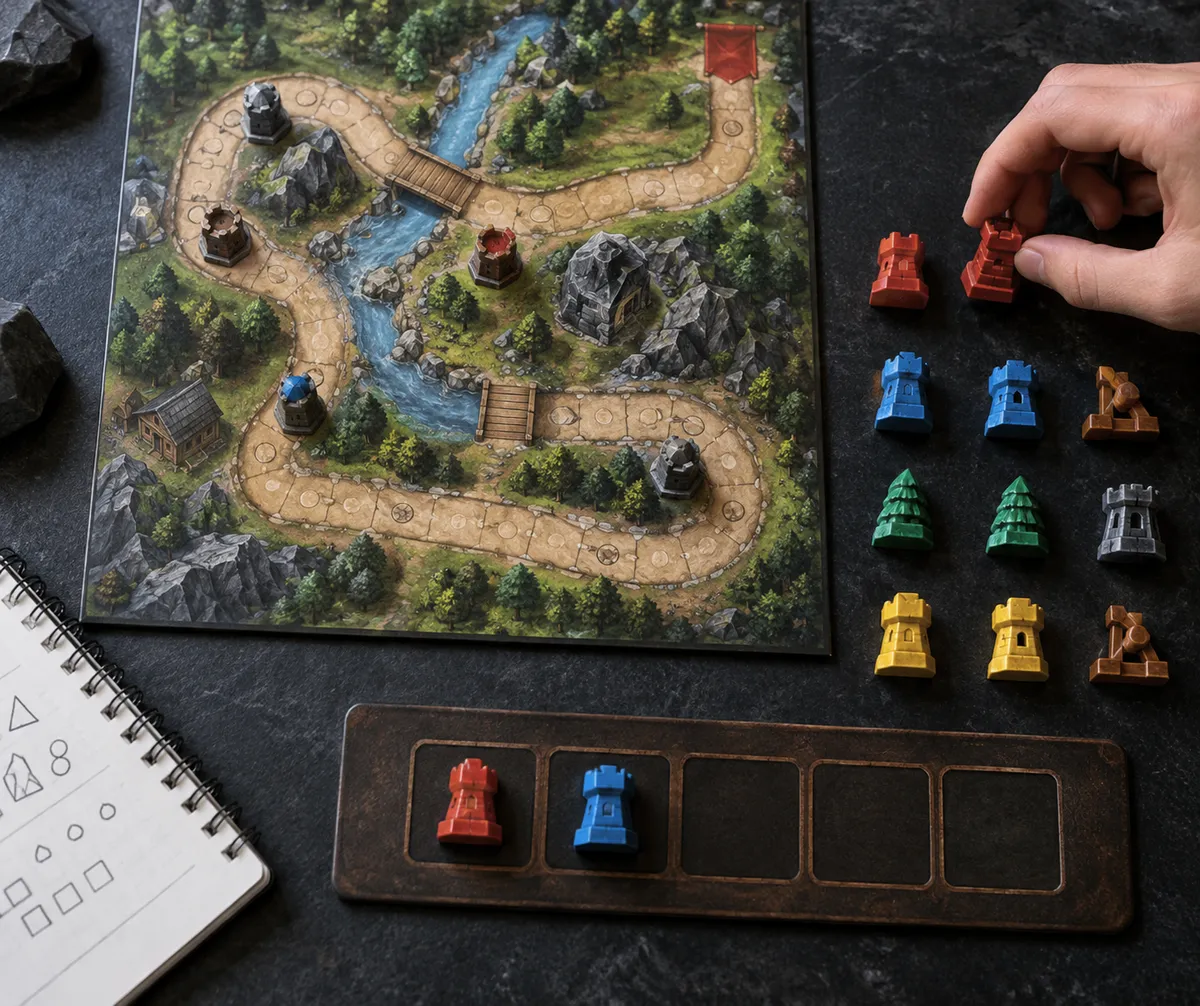
Now swap the bag for your in-game cash. In a tower defense game like Bloons TD, you have a limited budget and a menu of defenses to buy. Each one costs something and offers some protective value. The question becomes: which combination gets you the most defense for the money you have?
That's the same puzzle in a cartoon-balloon costume. Per Phys, that framing let the researcher apply optimization techniques directly to the game.
Why a game makes a good classroom
This is where the research gets charming. Optimization can sound like something that lives only in textbooks and consulting decks. A game gives it stakes you can feel: the balloons are coming, your money is finite, and a bad purchase shows up on screen within minutes.
It's also a tidy testing ground. A game has clear rules, a clear goal, and a clear result. Either your strategy survives the waves or it doesn't. That makes it a handy way to check whether a mathematical approach actually works.
Per Phys, the strategies developed this way didn't just survive. They beat the game, and sometimes did better than human players. It's hard not to wonder how many people who've spent hours tweaking a build were quietly doing informal knapsack math all along, just without the notation.
From balloons to the real world
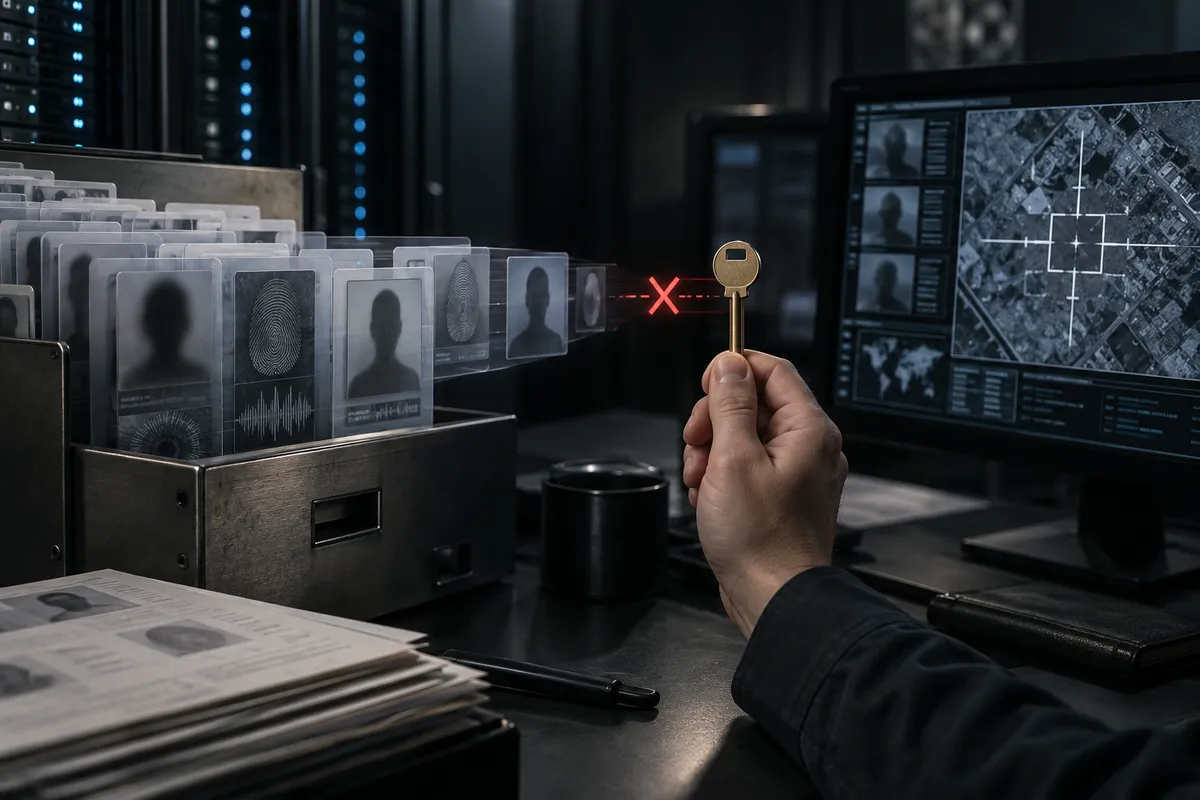
The interesting part is what comes after the game ends. Phys reports that the work is meant to bridge gaming and practical applications, since organizations face complex resource constraints all the time. The examples in the coverage include facility placement and security deployment.
Think about the shared shape of those problems:
- You have a limited budget or limited people.
- You have a set of possible choices, each with a cost and a benefit.
- You want the best overall outcome, not just a good individual pick.
That's the same structure as choosing towers. Deciding where to put a facility or how to spread out security resources is a bigger, messier version of the same trade-off. Fields like operations research exist to handle exactly this kind of question, and AI-driven optimization is becoming more relevant as those constraints get more complicated, according to the Phys report.
The takeaway for the rest of us
You don't need to be an operations researcher to borrow the mindset. A few habits from the knapsack way of thinking travel well:
Name your limit first
In the game, it's cash. In life, it might be time, money, or attention. Optimization starts by being honest about the size of the bag.
Compare value per cost, not just value
The flashiest option isn't always the best use of limited resources. Something cheaper that does a solid job can beat a pricey showstopper once you count what else the money could buy. That's our framing of the idea, not a finding from the research, but it's the intuition the knapsack problem builds.
Think in combinations
The best choice for one slot may not be part of the best overall set. Tower defense players know this feeling: a great tower can be a bad buy if it crowds out two others that work better together.
Why this one is fun
There's something satisfying about a serious mathematical idea sneaking in through a game about popping balloons. The research suggests that everyday games can hide sophisticated problems, and that playing them can be a gentle on-ramp to ideas that otherwise feel intimidating.
It also quietly reframes the hobby. The next time you agonize over whether to upgrade one tower or buy two more, you're doing a small, scrappy version of the same thinking that guides how organizations decide where to put their resources.
And if an algorithm can sometimes outplay a human at it, well, that's just one more reason to respect the math hiding behind the monkeys.